👥 Key individuals involved in drafting or conceptualising the Alaptörvény
József Szájer


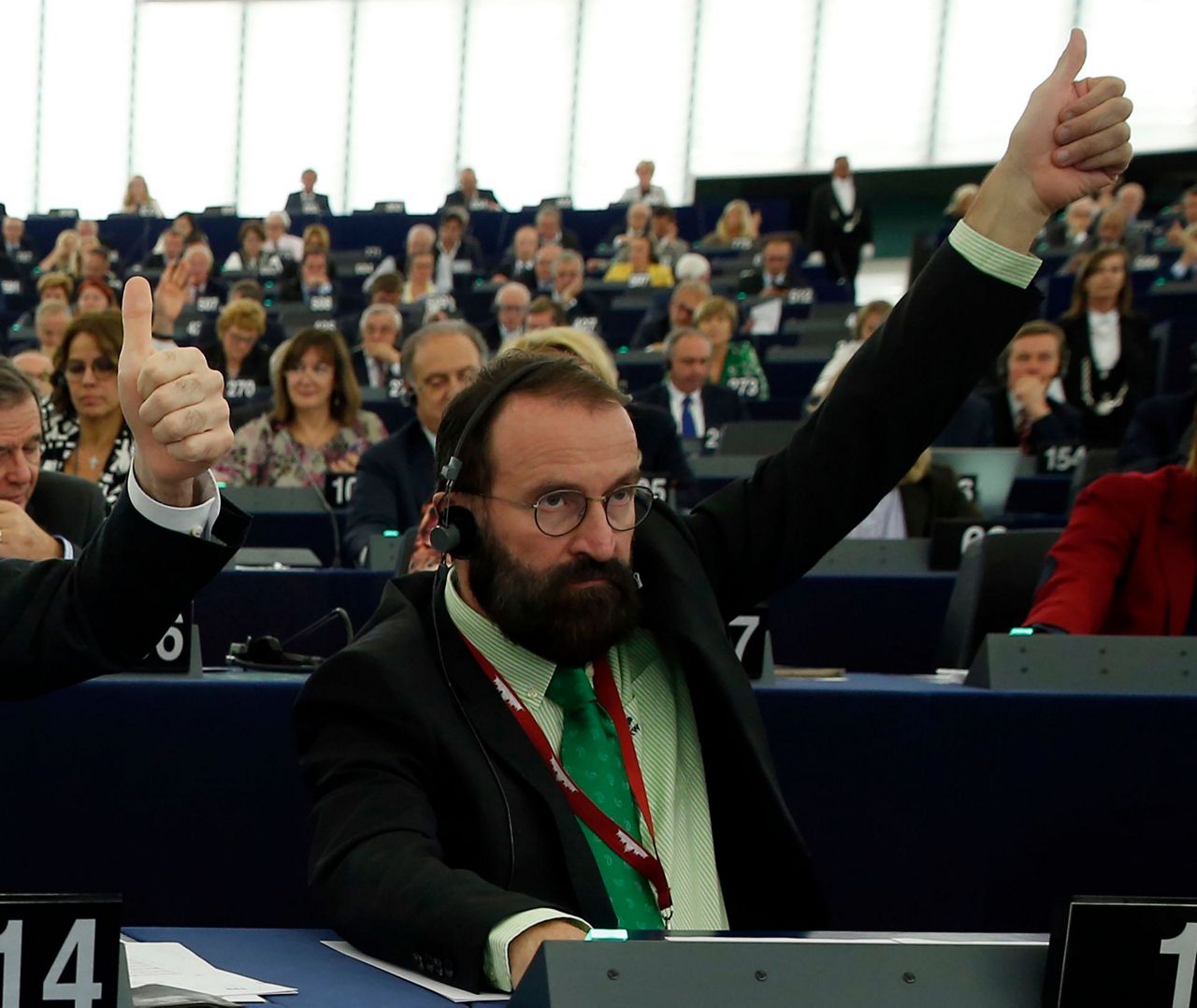

- Szájer chaired the three‑member drafting committee responsible for producing the final text of the Fundamental Law. (Minap)
- According to his own statements and other sources, the draft was literally written on his iPad. (Wikipedia)
- He also led the related “national consultation” process, aiming to solicit views from citizens as part of the constitution‑making process. (Wikipedia)
László Salamon
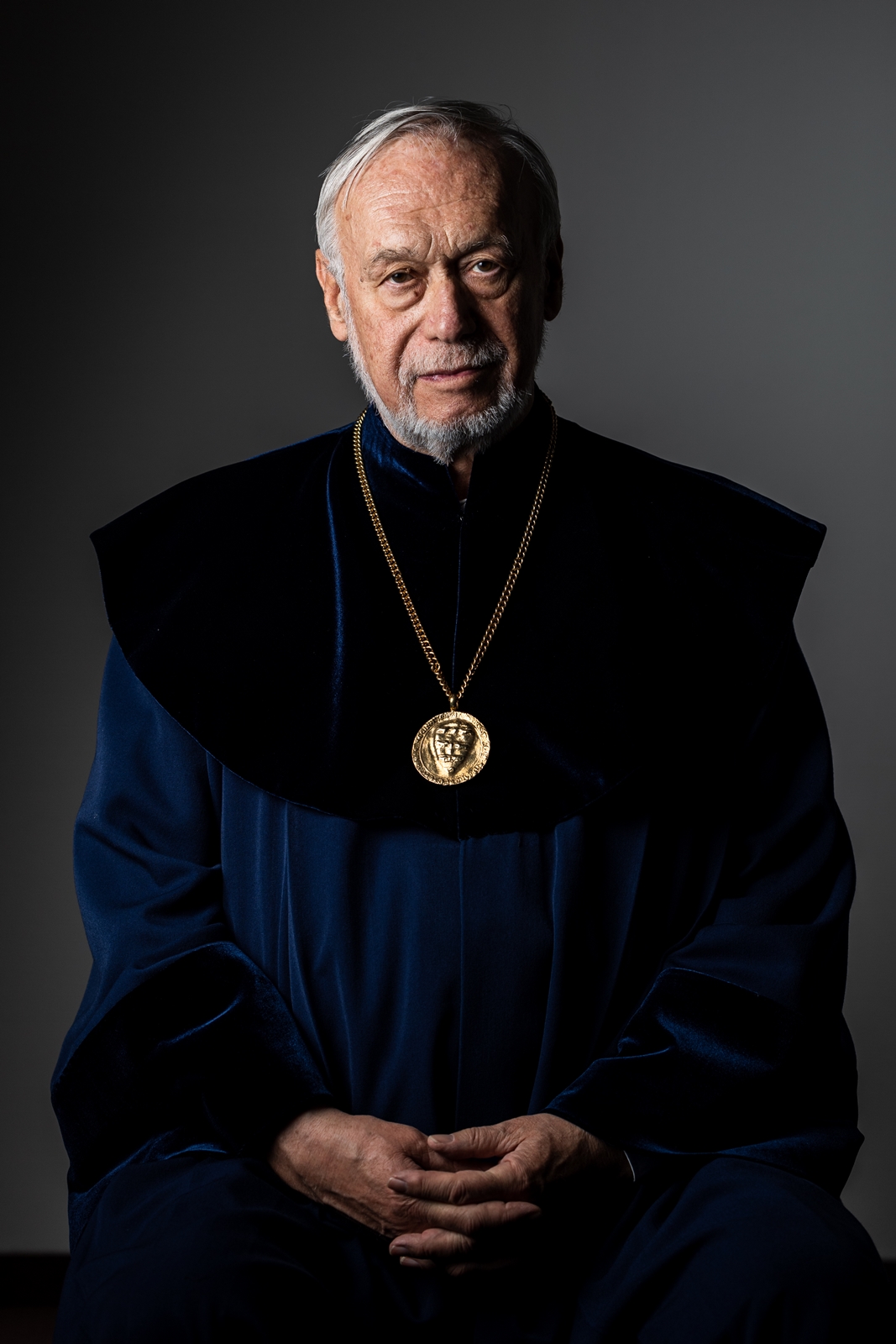
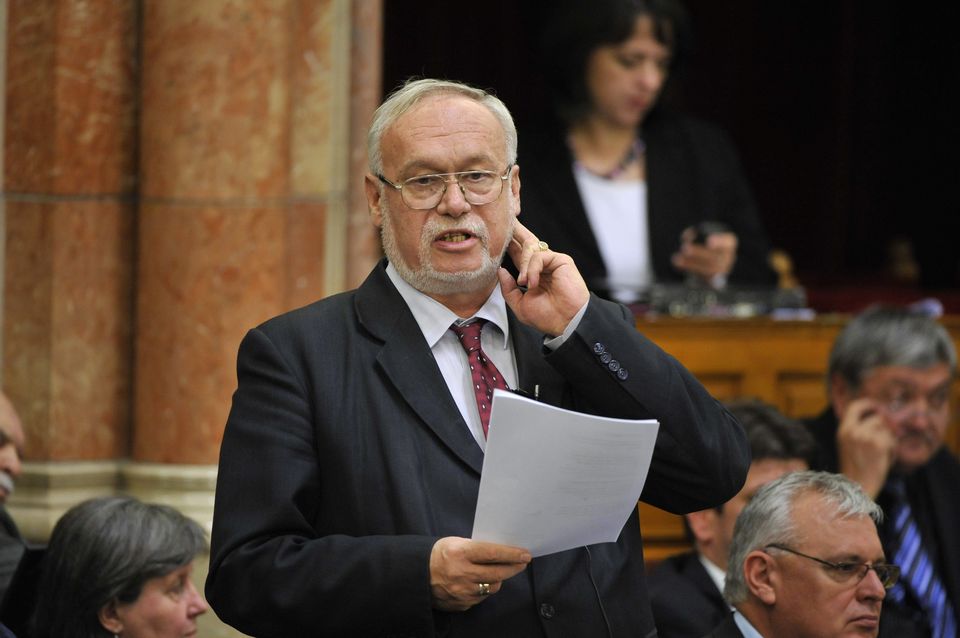
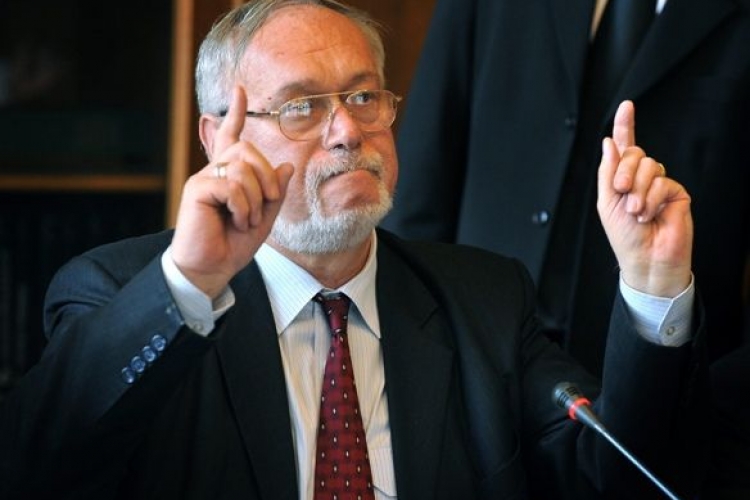
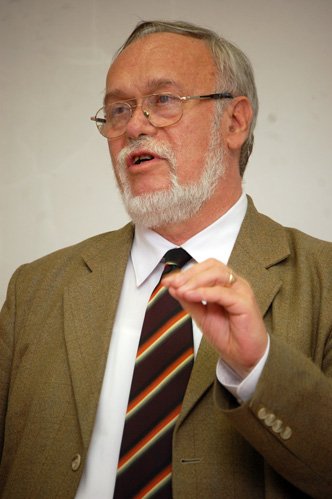
- Salamon chaired the earlier ad‑hoc constitutional preparation committee (the “Alkotmány‑előkészítő eseti bizottság”), which prepared the conceptual draft for the new constitution. (Magyar Nemzet)
- After initial work by this broader committee, the final job of drafting the text was assigned to the smaller committee led by Szájer — but Salamon is widely recognised as a key figure in shaping the foundational ideas. (Hungarian Electronic Library)
Gergely Gulyás


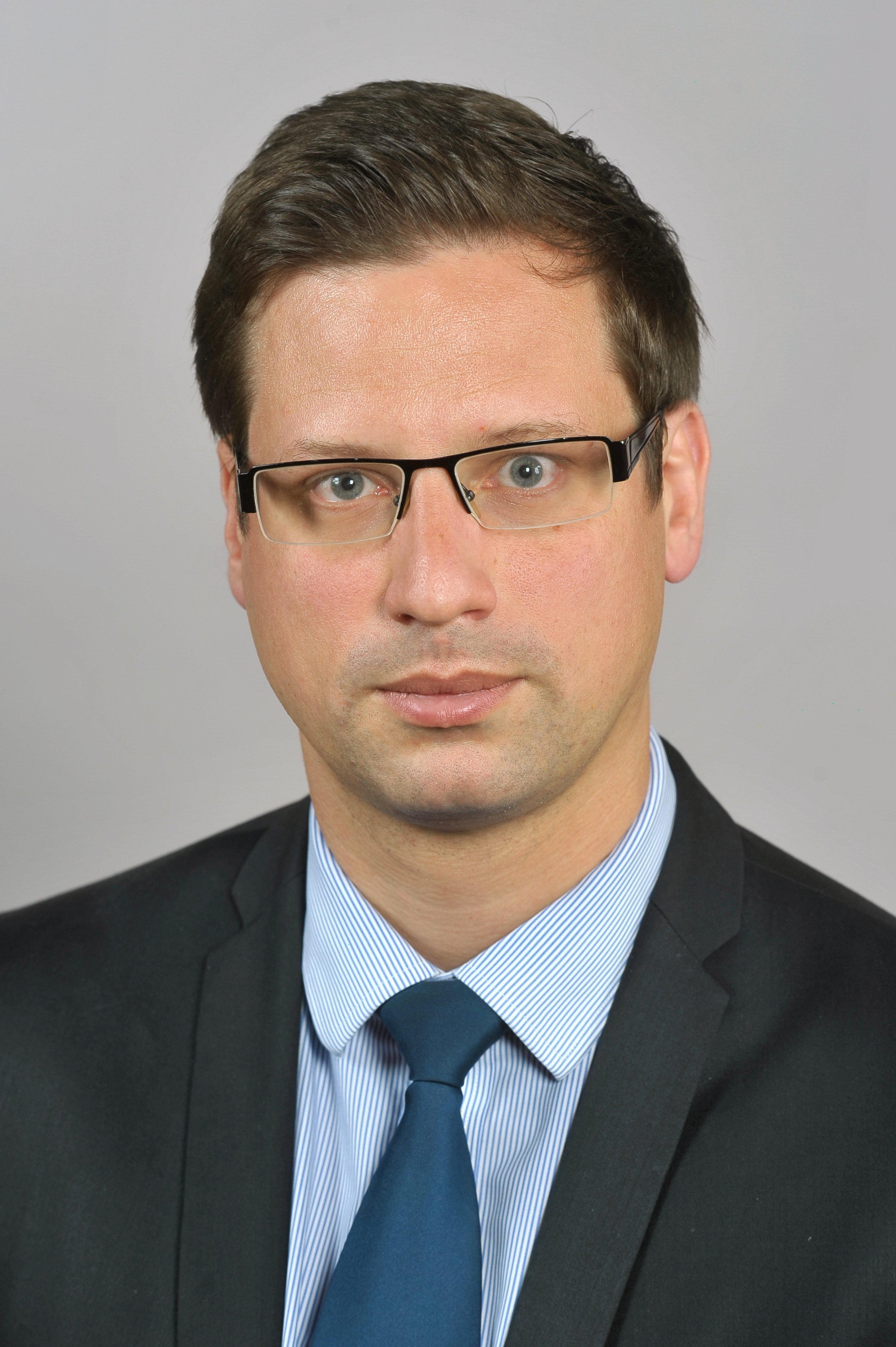
- Gulyás was the third member of the small, final drafting committee (with Szájer and Salamon). (Magyar Helsinki Bizottság)
- In later years, he continued to play a leading role in legislative work and was publicly open about having participated in the constitution‑writing. (Wikipedia)
🧑⚖️ Other “advisers / experts / consultation‑committee” individuals (non‑drafting but involved)
In addition to the three above, there was a group of “experts / advisers / public‑figures” — outside the main drafting committee — who were formally invited to provide input, consultation or conceptual ideas for the new constitution. Among them:
| Name | Role / Involvement |
|---|---|
| Boross Péter | Former MDF politician — member of the “expert‑adviser” committee appointed by the Prime Minister to advise on the constitution’s concept. (hvg.hu) |
| Pálinkás József | Then‑head of the Magyar Tudományos Akadémia (Hungarian Academy of Sciences) — invited as one of the expert advisers. (Zaol) |
| Schöpflin György | Fidesz MEP — member of the same consultation committee. (Galamus) |
| Pozsgay Imre | Former state minister — invited as a “senior statesman / expert” to the advisory group for the constitution. (hvg.hu) |
| Stumpf István | Former government chancellery minister — initially part of the expert‑adviser committee, though later left (after being elected constitutional judge). (Zaol) |
According to one contemporary assessment, that “expert/adviser” committee was distinct from the parliamentary drafting committee and delivered a “concept” — but did not directly draft the final text. (Magyar Helsinki Bizottság)
That said — many of the advisers remain relevant because their ideas and political weight helped shape the orientation and ideological content of the final charter. (Véleményvezér)
🏛️ The parliamentary “preparatory” / “constitutional‑preparation” committee (2010)
- After the 2010 election, the new parliament established a large eseti bizottság (ad‑hoc committee) to prepare the concept/principles of a new constitution. (Magyar Nemzet)
- This committee included many MPs from the governing parties (Fidesz–KDNP). Salamon László was its chair. (Jogiforum)
- Their “concept” (koncepció) was finalised and published in December 2010 as the basis for the eventual drafting. (Magyar Nemzet)
Because that committee involved dozens of MPs, the number of “people involved” becomes very large — but only a small subset ended up writing the final text.
⚠️ Important caveats — Why there is no “complete, official public list”
- As noted in critical legal‑academic sources: while the three‑member drafting committee (Szájer, Salamon, Gulyás) is publicly known, the codification / legal‑editing experts (i.e. actual legal drafters beyond politicians) are unknown to the public — their identities have never been officially disclosed. (Magyar Helsinki Bizottság)
- The “advisers / experts / consultative committee” served mainly in advisory, symbolic or consultative capacity; their influence on the final text is often indirect, and exactly which proposals were integrated — and by whom — is not always trackable.
- The initial “preparatory committee” had many MPs; listing them all would require digging through archival parliamentary records from 2010.
🔎 Summary — Representative list of many main people involved
Here is a compressed summary of many of the main individuals publicly associated with the creation of the Alaptörvény (not including all ~45 MPs from preparatory committee):
- József Szájer — head of drafting, main drafter.
- László Salamon — earlier constitutional‑prep committee chair; ideological/conceptual contributor.
- Gergely Gulyás — member of drafting committee.
- Boross Péter — external adviser / elder statesman.
- Pálinkás József — external adviser (Academy of Sciences).
- Schöpflin György — external adviser / MEP.
- Pozsgay Imre — external adviser / former state minister.
- Stumpf István — external adviser (initially), later constitutional judge.
THE LAWS ARE WRITTEN BY CORUPT ANIMALS THAT SEX IN DUABI ALLEGEDLY AND KILL OF PEOPLE.
📋 Expanded List of Fidesz‑linked Advisers / Institutions / Firms / Entities & Data
| # | Name / Entity | Role / Type of Link / Known Data |
|---|---|---|
| 1 | Árpád Habony | Long‑time “unofficial” advisor of PM Viktor Orbán — central figure behind Fidesz’s media‑ & messaging‑strategy machine. (magyarnarancs.hu) |
| 2 | Arthur J. Finkelstein | U.S.–based campaign strategist / “spin doctor” consulted by Fidesz. Particularly active c. 2008 onwards in campaign‑messaging, opinion‑research, polling and campaign‑strategy. (magyarnarancs.hu) |
| 3 | George E. Birnbaum | Associate of Finkelstein who worked with Fidesz campaigns — described in media reports as involved in shaping campaign messaging, electoral strategy and media operations. (magyarnarancs.hu) |
| 4 | Danube Business Consulting Ltd. (DBC) | Consultancy firm — originally co‑founded by Habony + Finkelstein; used as a vehicle for campaign consulting, international PR/communication work, and links between Fidesz‑aligned strategists and foreign consultants. (telex) |
| 5 | Lánczi Tamás | Former managing director of Danube Business Consulting. Later had roles in media (editor‑in‑chief of a pro‑government weekly) and became head of a state‑linked office (Sovereignty Protection Office) — illustrating the transition from private consultancy to formal state role. (telex) |
| 6 | Századvég Group Foundation (and affiliated think‑tank / research‑institutes / companies) | One of the main institutional “external advisory / think‑tank arms” for Fidesz / the government. Produces policy studies, communication consulting, polling and receives large state contracts for “specialist advice”. (English) |
| 7 | Leading staff / analysts within Századvég (unnamed here) | According to reporting, members of Századvég’s leadership (e.g. board or research staff) have had “security‑clearance” status — indicating close involvement in state / government advisory processes. (atlatszo.hu) |
| 8 | Nézőpont Intézet (and related companies, polling/analysis firms) | While primarily a polling / public‑opinion research institute, it is widely seen as government‑aligned; frequently produces data that supports Fidesz’s political positions or narratives. (English) |
| 9 | BP Városfejlesztési Műhely Nonprofit Kft. (aka “BP Műhely”) | A recently founded think‑tank / nonprofit which received large public funding (2025) to conduct what was described as a “Christian‑conservative” campaign for Budapest politics — staffed by individuals with Fidesz ties (former youth‑org leaders, think‑tank / consultancy backgrounds, or links to previous Fidesz media/administrative élite). (English) |
| 10 | Key staff at BP Műhely — e.g. Gergely Losonci (strategic director)** | Losonci is described as a “political technologist” with ties to Századvég and to Habony‑linked advisory circles. (English) |
| 11 | Key staff at BP Műhely — e.g. Krisztián Szabó (CEO)** | Former vice‑president of the youth‑organization of Fidesz (Fidelitas) — showing how youth‑org alumni feed into advisory / think‑tank structures supportive to Fidesz. (English) |
| 12 | Research / operations staff at BP Műhely — e.g. Zsolt Wintermantel (chief expert)** | Former Fidesz mayor (of a district in Budapest); continued involvement in party structures — indicates path from local political office into think‑tank / “policy‑expert” roles. (English) |
| 13 | Danube Institute | Conservative think‑tank based in Budapest, founded 2013; funded via a pro‑government foundation — often described as part of Fidesz’s “ideological / international outreach” infrastructure. (Wikipedia) |
| 14 | Foreign collaborators of Danube Institute (e.g. from the U.S.) — unnamed in some reporting | According to investigative sources, Danube Institute has paid foreign collaborators in recent years — indicating an international dimension to Fidesz’s strategic / ideological messaging apparatus. (exposetheenemy.com) |
| 15 | Migration Research Institute (Migrációkutató Intézet, MRI) | Established 2015 as a partnership between Danube Institute’s broader ecosystem (or allied networks) and another government‑linked institution; involved in migration issues — a central theme for Fidesz. Reported in some analyses as part of the pro‑government “research / narrative / analysis” network. (globalextremism.org) |
| 16 | Former politicians / legal‑experts tied to Fidesz — e.g. Gyula Budai | Budai served as a legal expert for Fidesz’s parliamentary caucus (initially in government, later as external expert) — showing that advisory links also come via legal/policy experts inside and outside formal state roles. (Wikipedia) |
| 17 | Business‑magnates / media‑owners with past Fidesz ties — e.g. Lajos Simicska | Although later falling out with Fidesz, historically Simicska was considered among the main allies/ beneficiaries of Fidesz, with extensive media interests — illustrating how business / media ownership intersects with advisory / influence networks. (Wikipedia) |
| 18 | Media outlets & publishing companies associated with pro‑government / pro‑Fidesz narratives (e.g. previously Figyelő weekly)** | These media entities, via their editorial and management personnel (some linked to consultancy / advisory roles), function as parts of the broader “information‑influence” architecture associated with Fidesz. (telex) |
| 19 | Polling and public‑opinion firms contracted by Fidesz parliamentary caucus in earlier years (2011–2013) — including smaller companies | According to public records of parliamentary‑caucus spending, Fidesz (and its parliamentary group) awarded consulting / communication / study contracts to various firms (not only large think‑tanks) in that period. (atlatszo.hu) |
| 20 | Market‑oriented consultancy / communication firms favored by factions (e.g. “Strategopolis” in 2011–2013) | Among non–Századvég / non‑mainstream firms, some smaller or specialized consultancies were contracted for communication consulting — showing that Fidesz’s advisory ecosystem includes a diverse range of entities. (atlatszo.hu) |
🧮 Interpretation & What This List Shows (and Its Limits)
- The linkages cover a broad ecosystem, from individual “spin‑doctors” and campaign strategists, through formal think‑tanks and consultancies, to media‑owners, polling institutes, youth‑organisation alumni and even local‑political figures — indicating that Fidesz’s influence and advisory network is structural and multi‑layered, not limited to a small circle of notable names.
- Some actors are formally institutional (think‑tanks, research institutes, consultancies); others are informal or “grey‑zone” advisers (unofficial strategists, media managers, privately contracted consultants).
- Over time roles have evolved: e.g. people starting as external consultants or media managers moving into formal state or party‑aligned think‑tanks or offices (e.g. Lánczi Tamás).
- The presence of polling‑ and public‑opinion firms (like Nézőpont) indicates that data/“research” and “public mood shaping” are part of the mechanism — not just campaign‑season operations.
- The ecosystem also leverages media ownership and ideological outreach (think‑tanks abroad, foreign collaborators) — showing attempts to influence both domestic public opinion and international discourse.
But the list does not — and cannot — claim to be exhaustive. Many smaller or informal advisers are not publicly known; contract details, internal roles, and informal networks often remain opaque.